Underlying Worldview
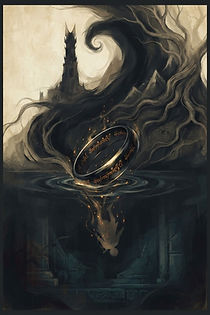
The Lord of the Rings: The Fellowship of the Ring is built upon a foundation of classical Christian theism, heavily influenced by J.R.R. Tolkien’s belief in a sovereign Creator and an objective moral order. The story operates on a framework where good and evil are not mere subjective preferences but absolute realities anchored in a transcendent authority. The narrative rejects nihilism, positing that even the smallest creature, such as a Hobbit, possesses profound dignity and a purpose that can alter the trajectory of history against overwhelming darkness. This worldview emphasizes that power, particularly when divorced from moral restraint, is inherently corrupting. The One Ring serves as a metaphor for the prideful desire to control or dominate others, contrasting sharply with the humility and self-sacrifice required to resist such temptations. The resolution of the story relies on the necessity of community and the conviction that providence acts through the faithfulness of ordinary individuals who choose to do what is right despite the gravity of their circumstances. The narrative validates the existence of objective virtue, courage, and friendship as the essential defenses against encroaching entropy and malice. It portrays a world that is enchanted and morally serious, where every action carries eternal weight.
The philosophy driving the story