Back to the catalogue
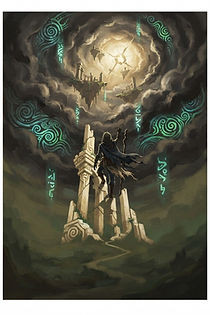
Cover art for The Legend of Zelda: Tears of the Kingdom
Video Game

The Legend of Zelda: Tears of the Kingdom

Nintendo · 2023

Community discernment

No reviews yet

Biblical soundness

—

0 community reviews

AI-assisted analysis

Through a biblical lens

01

Underlying Worldview

The Legend of Zelda: Tears of the Kingdom operates primarily through an optimistic framework of heroic individualism tempered by a profound commitment to stewardship and duty. The narrative centers on Link, the archetypal hero who acts as an agent of restoration in a world beset by decay and demonic corruption. This aligns with a mythic, high-fantasy worldview that recognizes the existence of objective evil and the necessity of personal sacrifice to preserve the created order. The story avoids the nihilism prevalent in much of modern media by asserting that history and legacy are worth defending and that the hero's actions carry weight in the cosmic battle against darkness. Furthermore, the game emphasizes the concept of order versus entropy. Ganondorf represents the destructive force of pride and the insatiable desire for power, which consumes both the self and the natural environment. In contrast, Link and Zelda work in tandem to heal the land, reflecting a worldview that values restoration over raw conquest. The resolution of the story reinforces the idea that true strength is found not merely in wielding power but in the humility required to serve the kingdom, mirroring the biblical principle that the greatest among us is the servant of all.

The philosophy driving the story

02

Redemptive Themes

A central redemptive theme in the game is the necessity of self-sacrifice for the sake of the collective good. Zelda’s choice to endure a prolonged, grueling state of existence to ensure the weapon capable of defeating the enemy is forged represents a striking parallel to the concept of redemptive substitution. Her willingness to lose herself in order to give the hero the tools necessary for victory underscores the truth that love is most fully realized through laying down one's life for others. This sacrifice is not portrayed as a defeat, but as the ultimate victory of light over the encroaching shadows. Additionally, the game celebrates the beauty of creation and the importance of rebuilding that which has been broken. The mechanics of the game encourage players to innovate and repair, fostering an appreciation for stewardship. The relationship between the inhabitants of Hyrule, built on loyalty, friendship, and collaborative effort, reflects the design of humanity for community. The restoration of the land, once it is cleansed of the gloom, serves as a metaphor for the restoration of order and the healing power of truth in a broken world.

Truth, grace and beauty reflected

03

Cautionary Elements

From a discernment perspective, the game contains elements rooted in Japanese folklore and fantasy spirituality that warrant careful conversation. Specifically, the game features various spirits, sages, and ancestral beings that exist in a supernatural realm, sometimes blurring the lines between divine authority and magical agency. While these elements function as standard tropes of high fantasy, parents should be aware that the narrative portrays the summoning of spirits and the consultation of ancient, supernatural forces as acceptable and beneficial, which requires a nuanced discussion regarding the biblical distinction between God’s sovereignty and the occult. Regarding graphic content, the game features pervasive fantasy violence where the hero battles various demonic creatures, skeletons, and corrupted entities. While there is no gore or gratuitous violence, the themes of demonic corruption and the dark, ominous nature of the subterranean regions are intended to be unsettling. Players are exposed to occult-coded visuals in the architecture and enemies, such as blood moons that revive monsters and ancient magic that is explicitly linked to the cycle of malice. These elements are designed to create a sense of peril and dread, which may be intense for younger or more sensitive players.

Content and theological warnings

04

Family Summary

Tears of the Kingdom is an epic, mostly wholesome adventure that emphasizes themes of courage, selflessness, and perseverance. It is widely considered appropriate for older children and teens, though the fantasy combat and occasionally unsettling occult imagery make it better suited for those who can distinguish between fantasy gameplay and real-world spiritual truths. Parents should utilize this game as an opportunity to discuss the concept of sacrificial love and the importance of rooting our hope in the true source of all creation rather than in mythical systems. It is recommended as a great co-viewing or co-playing experience to facilitate these deeper conversations.

Guidance for Christian parents

Machine-assisted reflection — weigh it against Scripture and your own community.

Share this discernment

Community reviews

Weighed by readers

Add your review

Discernment rating
Biblical soundness

No one has reviewed this title yet. Yours would be the first.

An eye for truth in every story; a voice of wisdom against every deception.

Scripture-rooted · AI-assisted · Community-reviewedA tool for discernment, not a substitute for Scripture or pastoral counsel.