Back to the catalogue
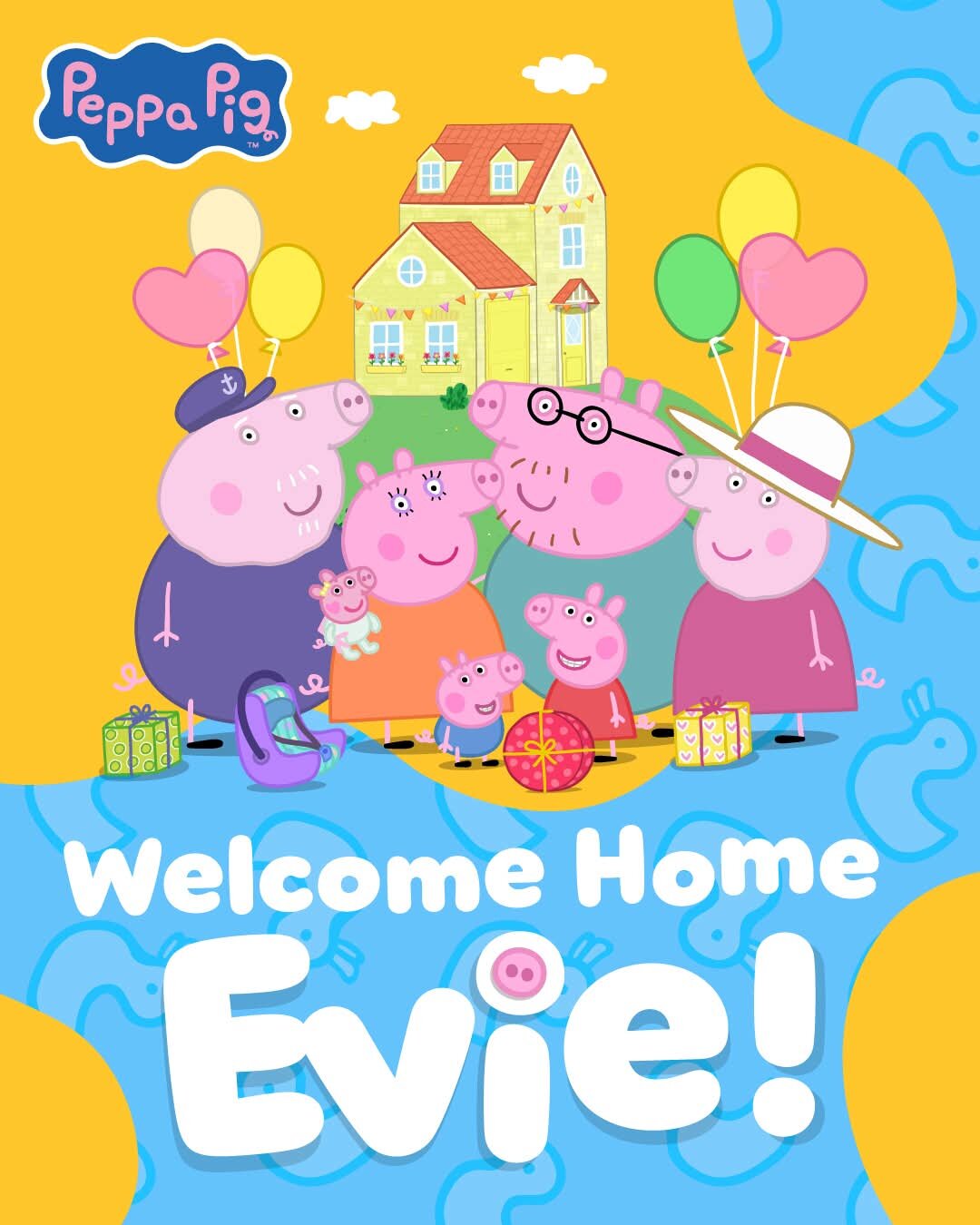
Cover art for Peppa Pig
TV Show

Peppa Pig

Neville Astley & Mark Baker · 2004

Your rating

Tap a star to rate this title

No family ratings yet

Community discernment

No reviews yet

Worth watching as a family

—

0 community reviews

Ages 2+

Features mild cartoon rudeness.

Discernly CheckAmber

Warm family stories, but the children often talk back, and Daddy Pig is often the butt of the joke. Useful for talking about respect.

This is a guide for discussion, not a verdict. Most titles sit between categories. Our Framework

The story

Story and themes

Peppa Pig centers on the daily life of a young pig named Peppa, who lives with her parents, Mummy Pig and Daddy Pig, and her younger brother, George. Each episode follows the family as they engage in simple, relatable activities such as playing in muddy puddles, visiting grandparents, or attending school.

The central conflict usually arises from minor childhood misunderstandings or the routine challenges of learning new things, all of which are resolved through cooperation and gentle guidance from the adult characters. The thematic heart of the series explores the foundational importance of family dynamics, social etiquette, and the joy of discovery.

It emphasizes virtues like patience, kindness, and curiosity while dramatizing the typical experiences of early childhood development. The mood is lighthearted, playful, and consistently optimistic, framing the world as a safe and nurturing place for children to learn and interact. The content landscape is highly benign and designed specifically for a preschool audience.

There is no presence of violence, coarse language, or mature themes. The tone remains whimsical throughout, and while the characters occasionally experience minor spills or bouts of laughter, the program is free from occult imagery or intense stressors, making it a gentle introduction to the world of narrative storytelling.

How our reviews are made

AI-assisted analysis

Through a biblical lens

01

Underlying Worldview

Peppa Pig operates within a framework of secular domestic idealism, emphasizing the nuclear family unit as the primary source of security and contentment. The world is presented as inherently safe, predictable, and benevolent, where conflicts are minor, easily resolved through compromise, and devoid of genuine existential threat.

The characters exist in a state of perpetual harmony, reflecting a view of human (or anthropomorphic) nature that is fundamentally benign and capable of perfect social equilibrium without the need for external moral guidance or divine grace.

The worldview celebrates the trivialities of daily life, positioning mundane domestic activities and communal play as the highest expressions of a meaningful existence. By omitting any reference to struggle, deeper human brokenness, or the complexities of sin, the show presents a sanitized environment that prioritizes comfort and relational ease above all else.

This focus reinforces an underlying assumption that happiness is a matter of correct behavioral alignment and communal participation, rather than a deeper pursuit of transcendent purpose or ontological reality.

The philosophy driving the story

02

Redemptive Themes

The series consistently models virtues such as patience, kindness, and the importance of apology, which align with the biblical call to live in peace with others. The depiction of the Pig family unit as a consistent, loving, and encouraging presence for children mirrors the God-ordained structure of the family as a foundational support system.

Characters often practice forgiveness after minor transgressions, demonstrating that relationships are restored through humble admission and mutual grace. Furthermore, the celebration of the beauty of creation, particularly in outdoor play and the appreciation of nature, reflects a subtle acknowledgment of the inherent value of the world God has made.

The show emphasizes communal joy, highlighting how shared experiences, laughter, and collective effort enhance the human experience, aligning with the biblical mandate to rejoice with those who rejoice and to foster unity within one's household.

Even in its simplicity, the narrative reinforces the idea that life is best experienced through gentle, loving interaction with one's neighbor.

Truth, grace and beauty reflected

03

Cautionary Elements

The primary caution regarding Peppa Pig lies in its tendency to model occasional insolence or mockery directed at paternal figures, specifically the recurring tropes where Daddy Pig is depicted as incompetent or a target for lighthearted ridicule. While these moments are framed as humorous, they can subtly undermine the biblical principle of honor within the family hierarchy.

Furthermore, the show’s relentless optimism creates a distorted reality that lacks any mention of struggle, sacrifice, or the reality of suffering, which, if consumed exclusively, could fail to prepare children for the complexities and moral weight of the actual world.

There are no supernatural or spiritual dimensions acknowledged, which may reinforce a materialistic or purely naturalistic outlook if not balanced by religious instruction.

The lighthearted treatment of authority and the absence of consequences for minor disobedience can occasionally lead to the adoption of a flippant attitude toward discipline or established boundaries by younger viewers.

Content and theological warnings

04

Family Summary

Peppa Pig is generally appropriate for young children and toddlers due to its gentle pacing, focus on simple domestic life, and emphasis on kindness and play. Parents should be aware that the humor occasionally relies on the belittling of parents, so it is a good opportunity to discuss the importance of kindness and respect in communication.

The show is suitable for family viewing, but it is best utilized as a starting point for teaching children about emotional regulation, forgiveness, and the value of family cooperation.

Because it is highly simplistic, it serves as a light entertainment option that remains neutral regarding spiritual depth, requiring parents to provide the necessary biblical context for life's deeper challenges and moral lessons.

Guidance for Christian parents

Machine-assisted reflection — weigh it against Scripture and your own community.

Family Conversations

Go beyond the analysis

Explore the story together. Questions for the ages in your home, drawn from this title’s analysis.

Family Conversations is part of Premium

Age-aware questions for this title, written from its analysis, with room to save the guide and mark it as discussed.

See Premium
Share this discernment

Community reviews

Weighed by readers

Add your review

Discernment rating
Worth watching as a family

No one has reviewed this title yet. Yours would be the first.

The weekly email

New release reviews for parents, every week.

One short email a week: what’s new, what to watch out for, and what’s worth watching together.

By signing up you agree to receive one email a week from Discernly Family. Every email has an unsubscribe link, and you can leave the list at any time.

Discernly Family

Every story teaches a view of the world. We name what it is teaching, so you can decide what your family watches, reads and plays.

Scripture-rooted · AI-assisted · Community-reviewedA tool for discernment, not a substitute for Scripture or pastoral counsel.