Back to the catalogue
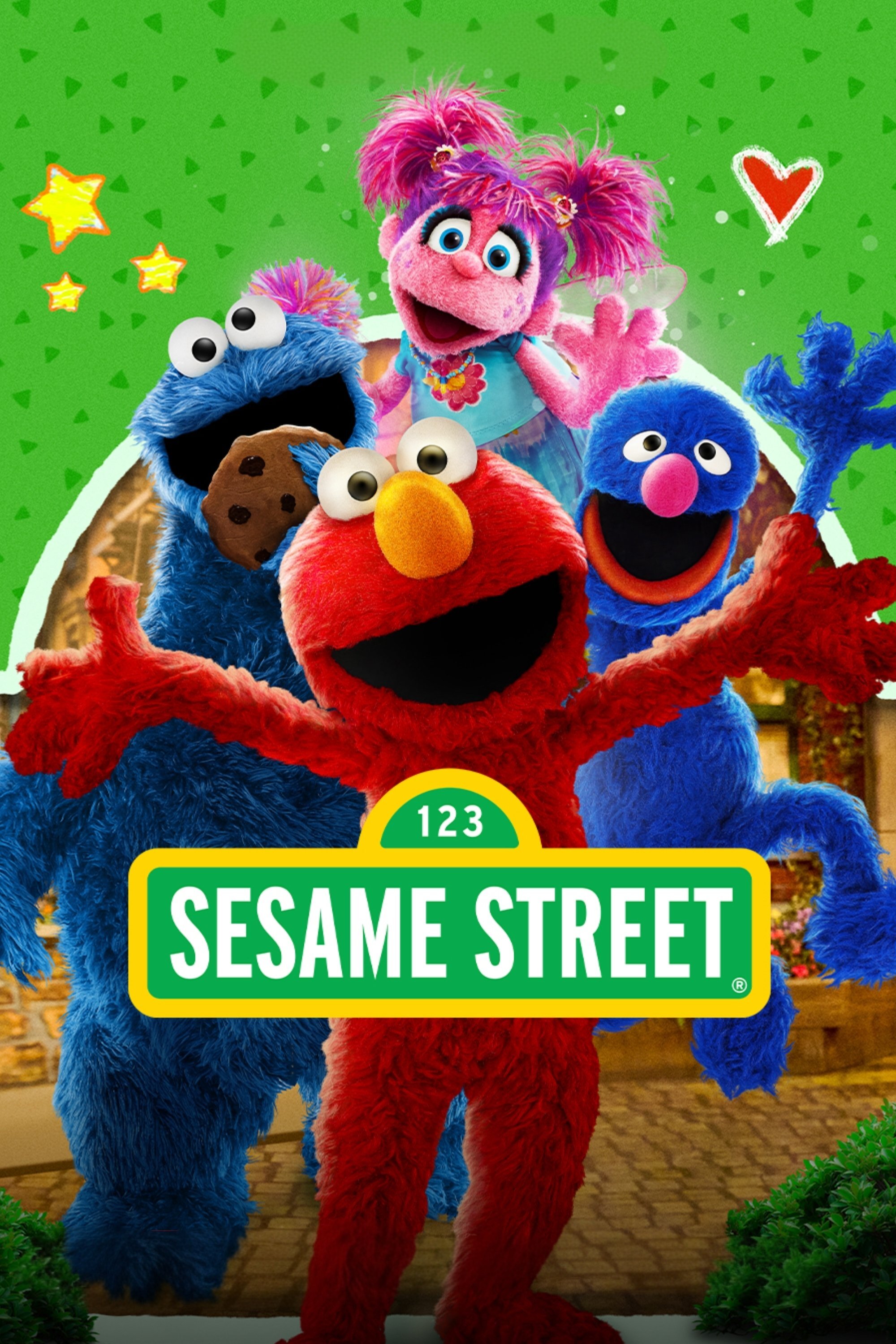
Cover art for Sesame Street
TV Show

Sesame Street

Joan Ganz Cooney & Lloyd Morrisett · 1969

Community discernment

No reviews yet

Biblical soundness

—

0 community reviews

Ages 3+

Contains puppets and gentle lessons.

The story

Story and themes

Set on a bustling urban city street, Sesame Street follows the daily interactions between a diverse group of human neighbors and a variety of colorful, puppet creatures known as Muppets.

The central conflict of the program revolves around childhood learning and social development, with characters navigating common obstacles like sharing toys, understanding emotions, and learning foundational academic concepts such as counting and the alphabet.

The setting acts as a safe, pedagogical sandbox where every challenge is met with cooperative problem-solving and encouragement.

The thematic heart of the show focuses on the value of community, kindness, and the curiosity required for lifelong learning. It dramatizes virtues such as patience, inclusivity, and empathy, often contrasting these with minor social frictions or misunderstandings that arise when characters have different perspectives or needs.

The mood is persistently optimistic and whimsical, framing education as an accessible and joyous pursuit that is rooted in healthy, supportive relationships between individuals of all backgrounds.

The content landscape is entirely wholesome, designed specifically for early childhood audiences. It features no graphic violence, sensuality, or coarse language. The world is populated by friendly anthropomorphic figures and humans, with occasional mild moments of slapstick comedy or lighthearted frustration.

There are no occult or overtly spiritual themes present, as the narrative remains strictly grounded in secular educational instruction and social-emotional development.

AI-assisted analysis

Through a biblical lens

01

Underlying Worldview

Sesame Street operates under a framework of secular progressive humanism, emphasizing the inherent potential of the individual and the sufficiency of community-driven kindness to create a harmonious society.

By prioritizing emotional intelligence, inclusivity, and social cooperation, the program posits that education and gentle moral instruction are the primary tools required to navigate the complexities of life.

While it avoids explicit religious framing, it promotes a worldview where goodness is defined by civic participation and egalitarian interactions between diverse creatures and people.

The resolution of narrative conflicts in this environment rarely points toward a transcendent source of order or moral law. Instead, truth is often framed as a consensus reached through dialogue and mutual empathy. Characters are motivated by the desire to fit into a pluralistic neighborhood where the highest virtues are sharing, patience, and self-acceptance.

In this paradigm, human progress—in its cognitive and social dimensions—is the ultimate telos of the neighborhood, suggesting that a better world is built through collective optimism and the mastery of basic social and intellectual skills.

The philosophy driving the story

02

Redemptive Themes

The program reflects biblical truths concerning the value of children and the importance of neighborly love. By treating every inhabitant of the street—regardless of appearance or intelligence—with consistent kindness, the show echoes the Christian mandate to show hospitality and respect to all.

The emphasis on truth-telling, the reconciliation of minor disputes, and the celebration of unique personal gifts aligns with a biblical understanding of human dignity, suggesting that every individual has a place in a healthy community.

Furthermore, the show creates a space where patience and grace are practiced daily. When characters make mistakes, they are met with constructive feedback rather than condemnation.

This atmosphere mirrors the concept of grace within a developmental context, demonstrating that failure is a necessary part of growth and that forgiveness is a cornerstone of sustainable relationships. These moments provide a platform for parents to discuss the virtue of long-suffering and the importance of encouraging others toward righteousness.

Truth, grace and beauty reflected

03

Cautionary Elements

While generally benign, the program requires discernment regarding its systematic secularization of ethics. By detaching moral instruction from the fear of God or biblical authority, the series implies that morality is a subjective product of human consensus and social utility.

Parents should be aware that the worldview presented is intentionally stripped of any specific faith tradition, potentially suggesting to children that a functional, happy life can be achieved entirely independently of God or divine revelation.

Additionally, the show occasionally leans into progressive pedagogical ideologies that may prioritize relativistic values over traditional moral frameworks. In later seasons, the introduction of specific social agendas can subtly influence a child's understanding of identity and societal roles.

Because the program acts as a formative influence on very young children, parents must be mindful of how these subtle shifts in messaging may contrast with their family’s specific theological commitments and moral teachings.

Content and theological warnings

04

Family Summary

Sesame Street remains an excellent and gentle resource for early childhood education, offering a constructive environment for learning basic social and academic skills. It is highly suitable for young children, though it functions best as a tool for co-viewing.

Parents should use the program as a springboard for active conversation, reinforcing the show's positive messages about kindness and sharing while using the episodes to discuss their own faith, explaining that the love and community seen on the screen are reflections of the greater love and order established by God.

It is a helpful supplement, not a replacement, for deliberate parental instruction.

Guidance for Christian parents

Machine-assisted reflection — weigh it against Scripture and your own community.

Share this discernment

Community reviews

Weighed by readers

Add your review

Discernment rating
Biblical soundness

No one has reviewed this title yet. Yours would be the first.

Every story teaches a view of the world. We name what it is teaching, so you can decide what your family watches, reads and plays.

Scripture-rooted · AI-assisted · Community-reviewedA tool for discernment, not a substitute for Scripture or pastoral counsel.